
June 202
Earlier this year, Kamitei delivered three onboarding and training workshops for nearly 100 interns in the Kamitei Internships for Teaching Excellence (KITE) program who are currently actively working in classrooms in Northern and Southern Tanzania. The KITE program is now active across five areas of Tanzania (two in Northern Tanzania and three in Southern Tanzania) — and the teachers it places and trains are beginning to carry Kamitei’s methods far beyond the schools we directly support.
KITE was created because Tanzania faces a significant teacher shortage in rural areas, and because the shortage is not simply one of numbers. Teacher training colleges provide theoretical foundations, but many graduates have limited experience of real rural classrooms before they arrive in one. KITE addresses both problems at once: newly qualified teachers get a structured rural placement with mentoring and professional development; schools get motivated, better-trained teachers who supplement the existing government cohort and bring down student-to-teacher ratios.
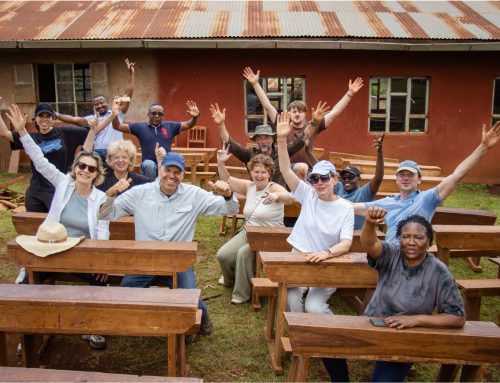
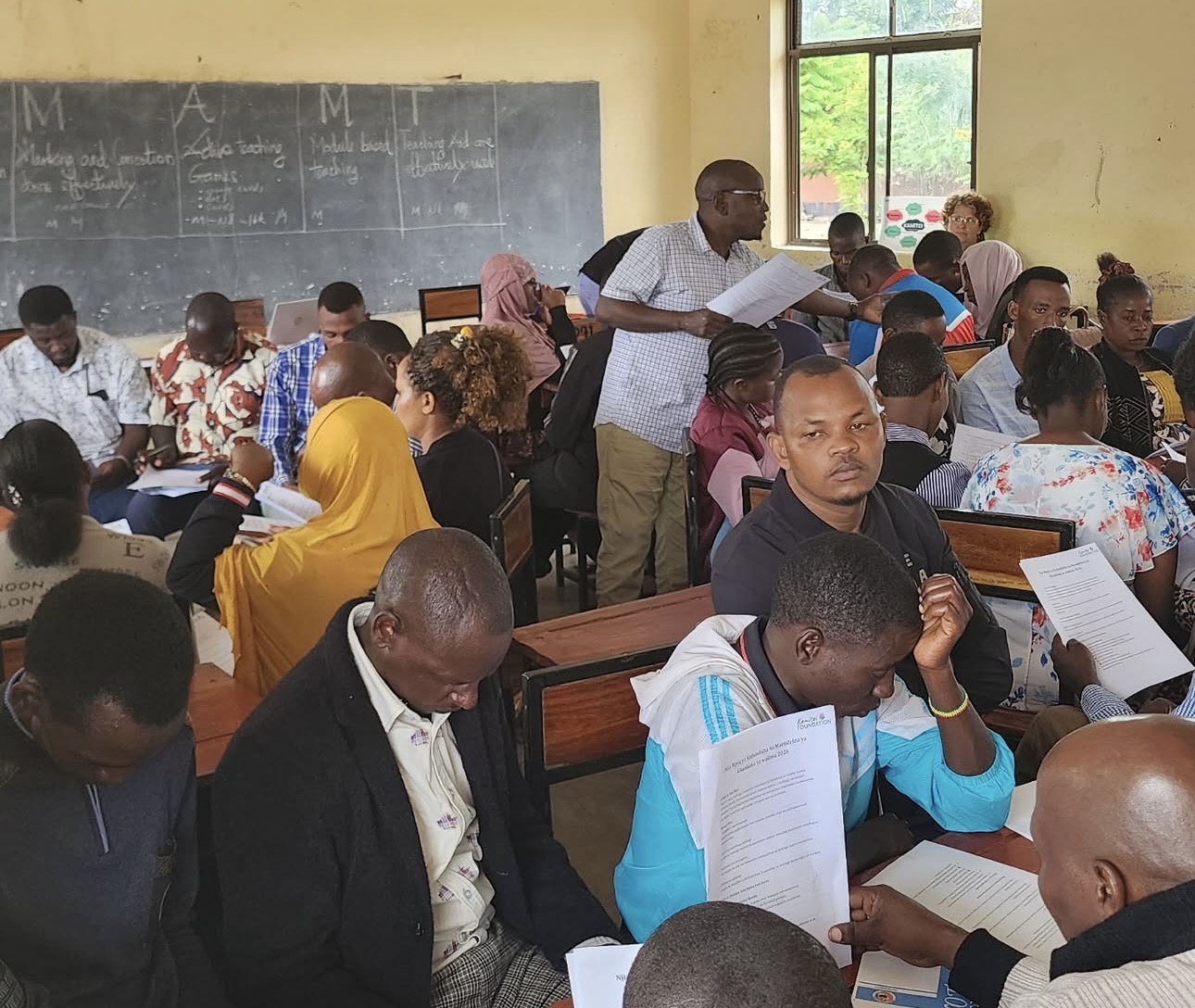
This year’s series of training workshops introduced interns to Kamitei’s Teaching Development Framework as it continues to evolve. Practical sessions gave interns hands-on experience of creating engaging, learner-centred classrooms in schools with limited resources while following our GIRMAMT key teaching principles:
- Grouping pupils effectively
- Individual attention to pupils
- Randon selection
- Marking and corrections done effectively
- Active teaching games
- Module-based teaching
- Teaching aids are effectively used.
The workshop also introduced Kamitei’s revised professional coaching approach: short cycles of observation, reflection, and small, achievable development steps — the framework Kamitei’s education specialists have been building for the last few years and now refined by Astrid, with Billy and Rashid, our Field Education Coordinators (FECs), throughout her time in Tanzania.
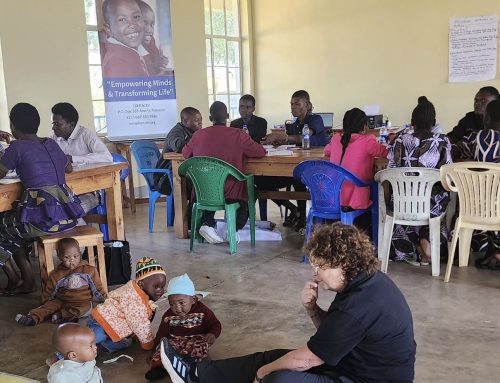
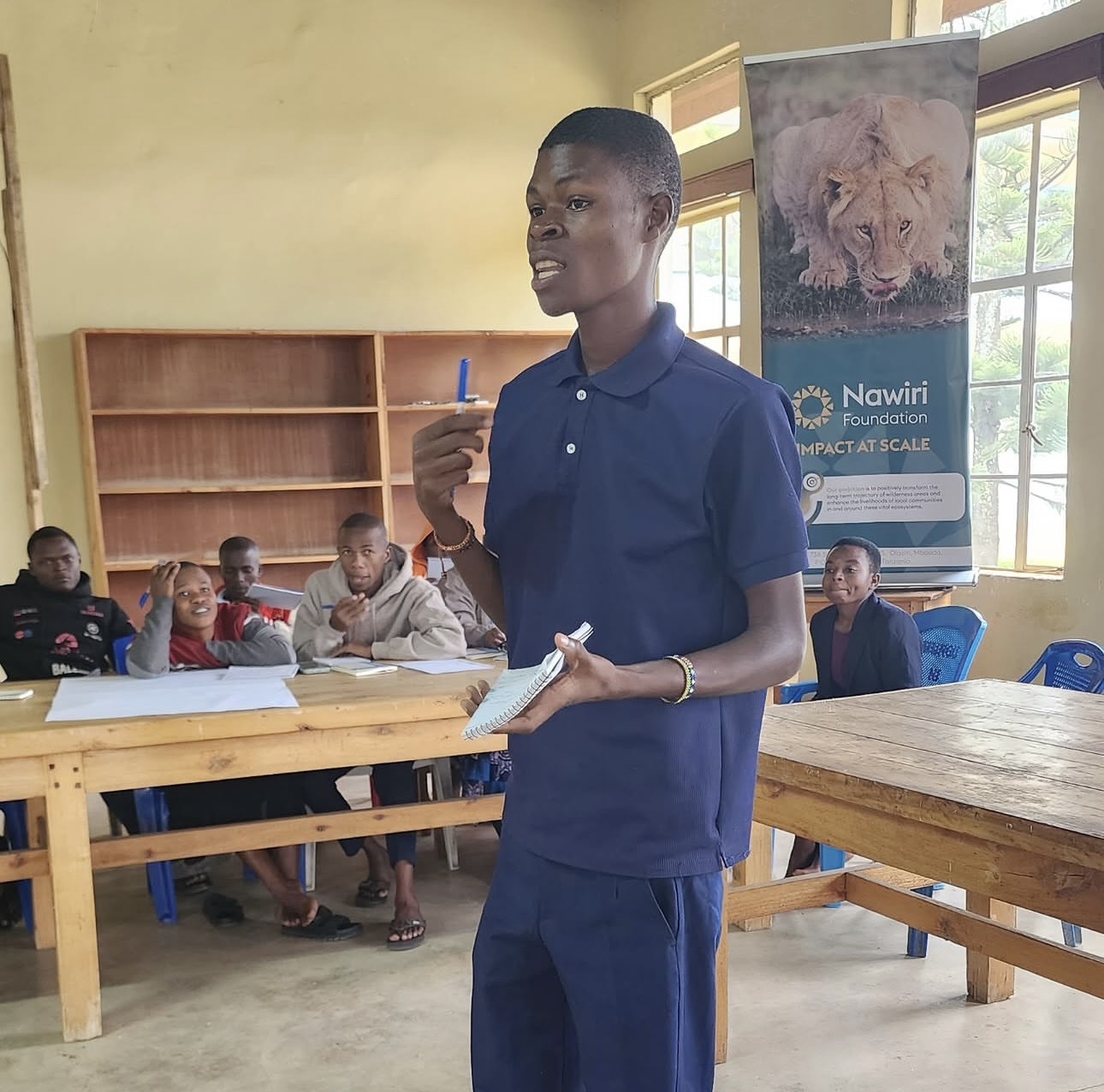
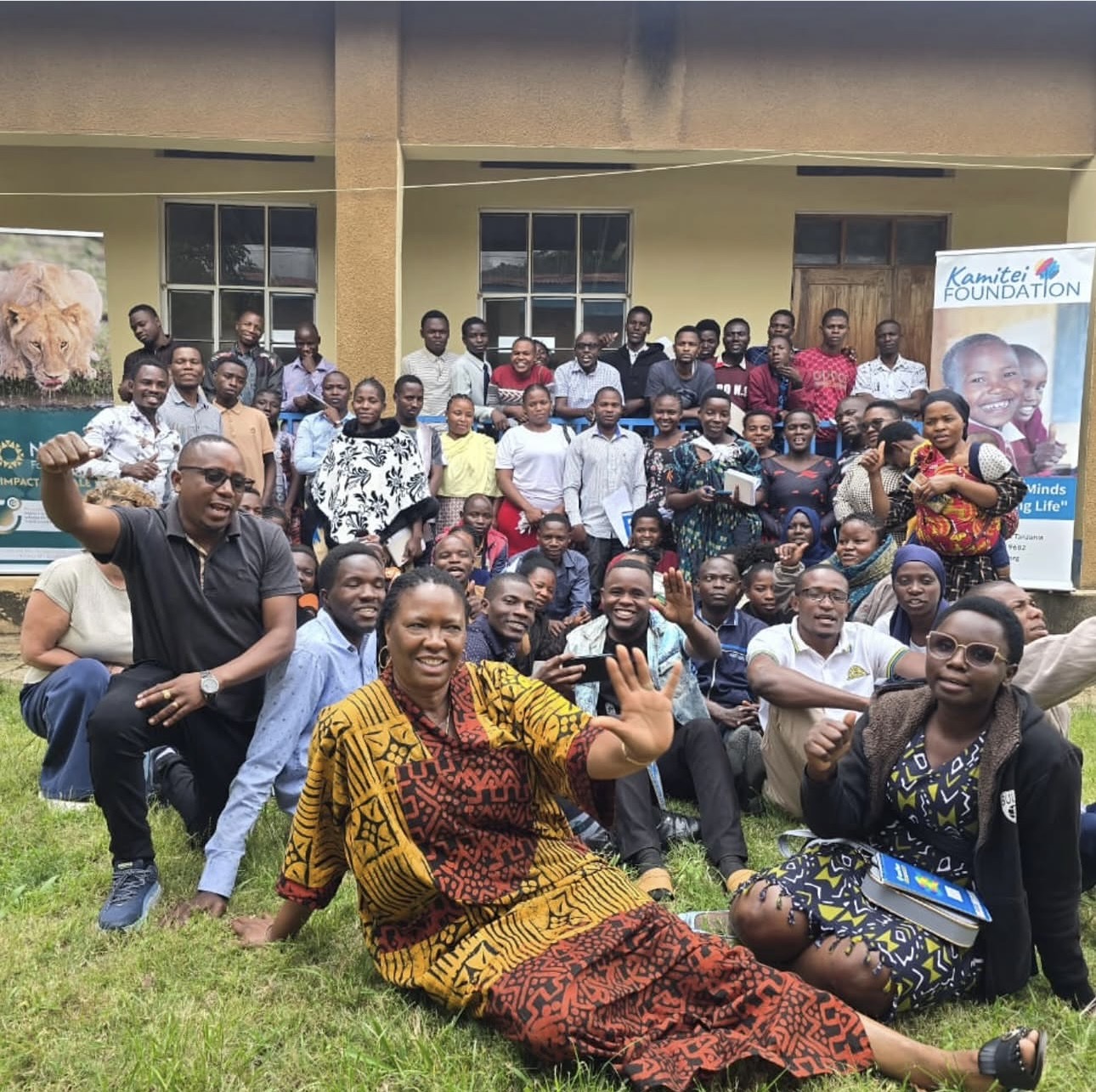
Our workshop series kicked off in February in Karatu, where 16 interns were joined by other established government teachers for a day of professional development that also featured sessions for exchanging ideas and reflecting on challenges encountered in rural schools.
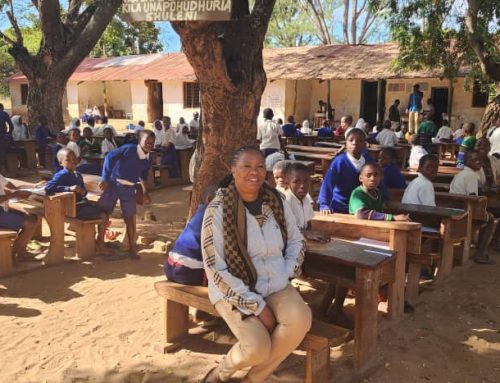
In early April, 71 teachers—not just KITE interns but established government teachers also working in Kamitei-supported schools in the Makame Wildlife Management Area (WMA) of Northern Tanzania—attended a workshop there to learn improved teaching methods and classroom practices. Rewardingly, several of the interns have since secured government deployments at schools in the WMA.
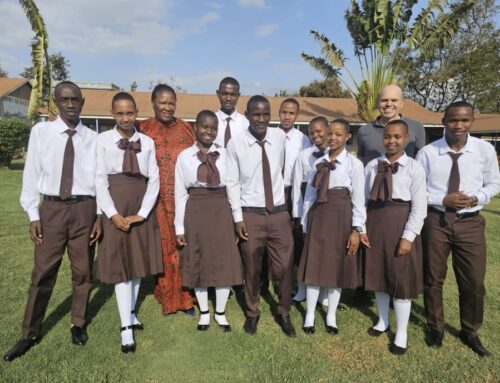
Later in April, 57 newly qualified teachers gathered in Iringa for the southern training workshop before being deployed to rural primary schools across the Greater Ruaha and Greater Nyerere Ecosystem areas. With the 7 interns unable to attend the Iringa workshop, in 2026 Kamitei is placing 64 interns at schools in Southern Tanzania. Our partnership with the Nawiri Foundation is enabling our KITE interns to work in some of the most underserved and remote schools in both of these vast ecosystems.
From the outset, we have always been results-oriented. That means being committed to tangible outcomes and measuring success through positive changes in lives— for students and educators. Last year, three of the 63 interns we trained in Southern Tanzania were, within a few months, hired as Field Education Officers (FEOs)—locally based, full-time staff who now travel by motorbike to reach remote schools, coaching teacher interns and maintaining relationships with community and school leaders. The FEOs are a direct product of the KITE program, and their existence is one of the clearest signs of how the model builds capacity from within.
Rashid describes another measure of the program’s reach with characteristic enthusiasm. When strong KITE interns are offered permanent government teaching posts and deployed to schools across Tanzania, it creates a recruitment challenge for the program in some areas. But it is also, as Rashid sees it, a positive outcome: Kamitei’s teaching methods spreading into government schools across the country, carried by the teachers the program trained.
The KITE program was designed to improve rural education in communities that Kamitei directly supports. The reach of that change is extending well beyond them. The pattern is consistent: investment in teachers, sustained over time, produces results that outlast any single programme cycle.