
June 2026
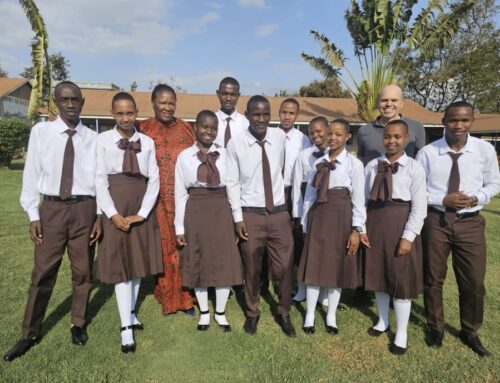
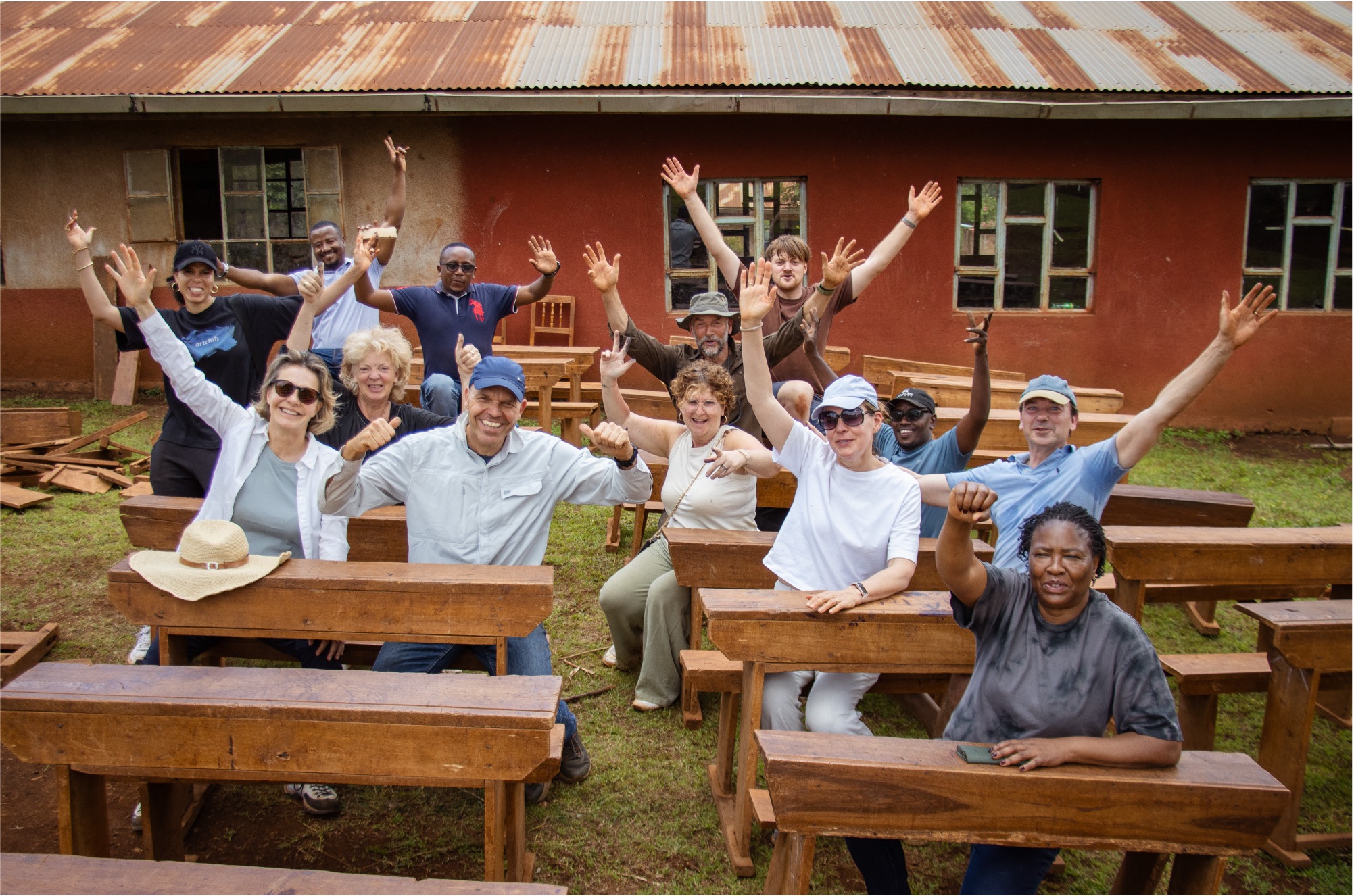
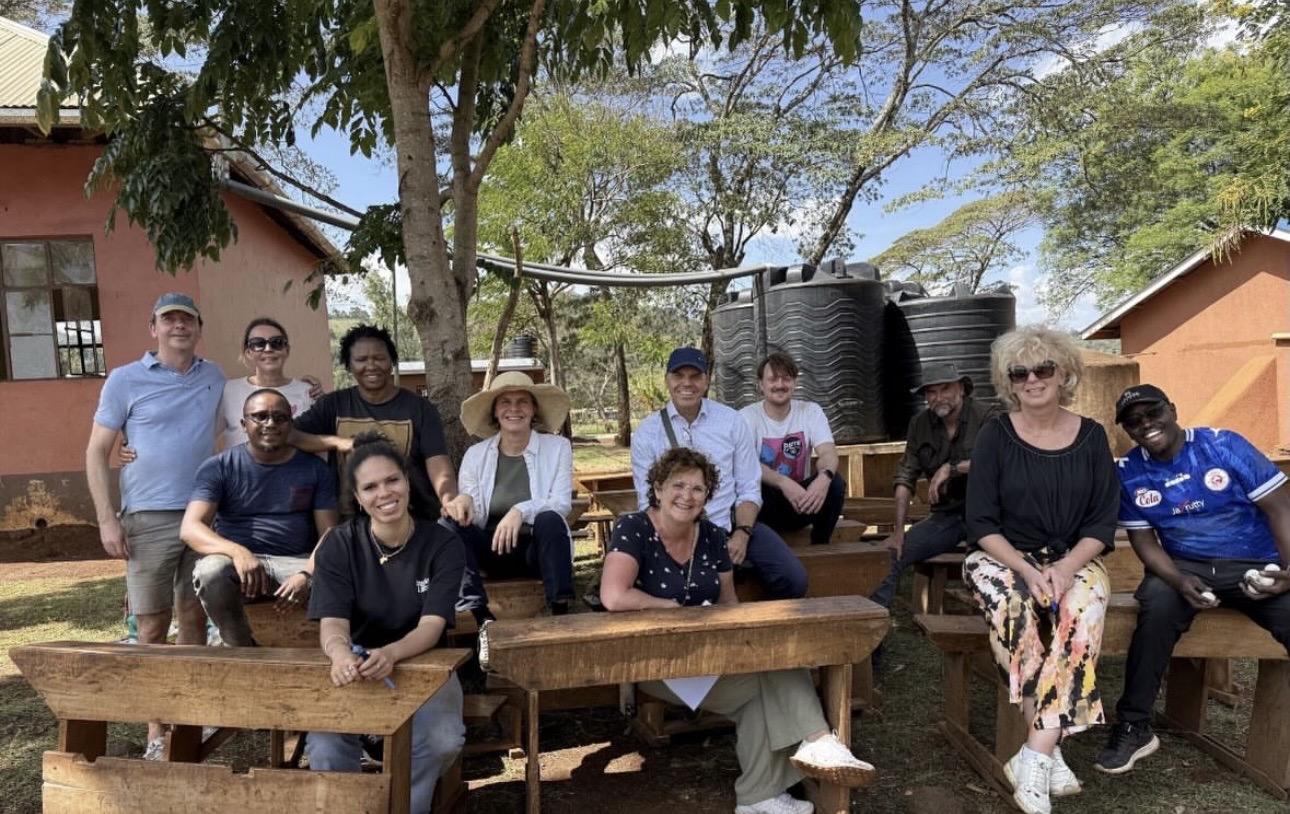
This February, the largest group of Dutch board members and supporters yet landed in Karatu — the corner of Northern Tanzania where Kamitei’s model was first tested more than 20 years ago. Co-founders Mama Kamitei (Jane) and Jeroen, and the Tanzanian team, hosted the group for two weeks of school visits, desk repairs, sports days, and the conversations that make this work last.
Karatu holds a particular place in Kamitei’s story. The eight primary schools in this corner of Northern Tanzania were where Jane and Jeroen first put their model to the test — and where they proved it worked. Those schools became the blueprint for everything that has followed. Today, with Kamitei supporting 59 rural primary schools across six areas of Tanzania and a clear plan to reach 104, Karatu remains what co-founder Jeroen calls the cornerstone: the place where the approach was forged, and where the evidence of its long-term impact is most visible.
The visit
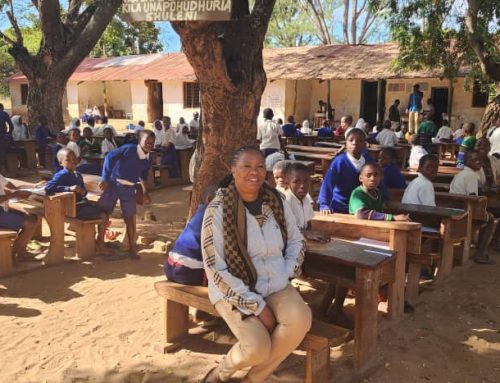
The visit was characterised by the same hands-on spirit that defines Kamitei’s approach at every level. Across the seven schools, the board worked alongside the Tanzanian team to repair over 100 broken desks — desks that children had been sharing three or four to one, or doing without entirely. Classroom blackboards were repainted. Sports days were organised: sack races, tug-of-war, football — the kind of afternoon that echoes for a long time in a small community. Afterwards, some of the teachers said they would start repairing furniture themselves, having seen how straightforward it was. At Hareabi school, the board provided a special lunch for the students — meat, vegetables, a bottle of soda. For children who sometimes arrive at school having eaten nothing, it was considerably more than lunch.
The practical work
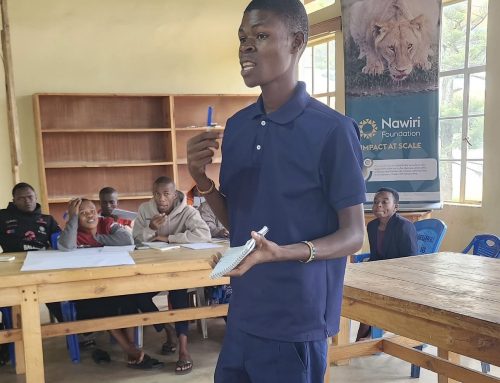
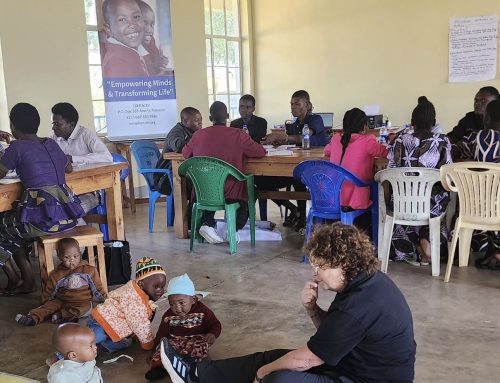
Alongside the practical work, Rashid and Billy led teacher self-assessments and coaching conversations at each school — structured discussions that help teachers identify their own strengths and development areas, and that feed directly into Kamitei’s wider professional development approach. A full teacher workshop followed at Karatu Secondary School, bringing together educators from across the area. These conversations matter as much as the desks and the books. Kamitei’s experience in Karatu over two decades has shown that the most durable improvements in student outcomes come from teachers who are supported, motivated and given the tools to keep growing.
The board left after two weeks. Astrid stayed — but that is a story told elsewhere in this newsletter. What the February visit demonstrated is that the relationship between Kamitei’s supporters and the communities they support is not transactional. It is long-term, reciprocal, and built — like everything Kamitei does — to last.