
June 2026
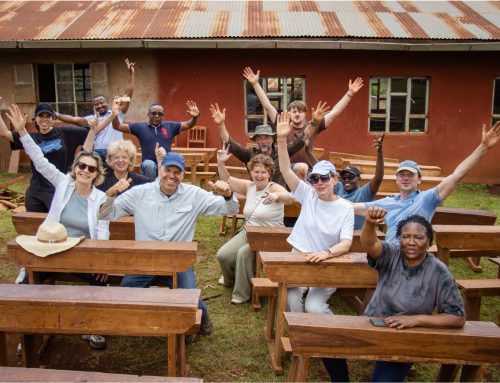
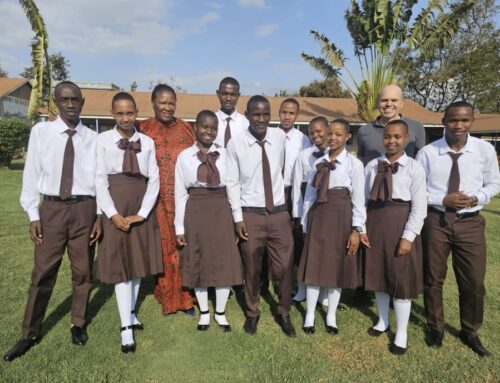
Astrid joined her fellow Dutch board members when they visited Karatu in February. Not only is Astrid a long-standing member of the board in Tanzania too, she is also an educationalist and someone who cares deeply about what Kamitei is building. However, this visit was different for Astrid — she stayed in Tanzania for three months.
Astrid is not a newcomer to Tanzania or to Kamitei. She has visited on shorter trips before with other board members and with her family, and has followed the organisation’s development closely. It was a brief visit in October last year that crystallised something. Kamitei was at a particular moment in its growth: scaling up the Kamitei Internship for Teaching Excellence (KITE) program, expanding into Southern Tanzania, and continuing to develop its coaching and teacher development approach. Astrid could see that her professional expertise — two decades as an educationalist — had a direct contribution to make on the ground, working alongside the team.
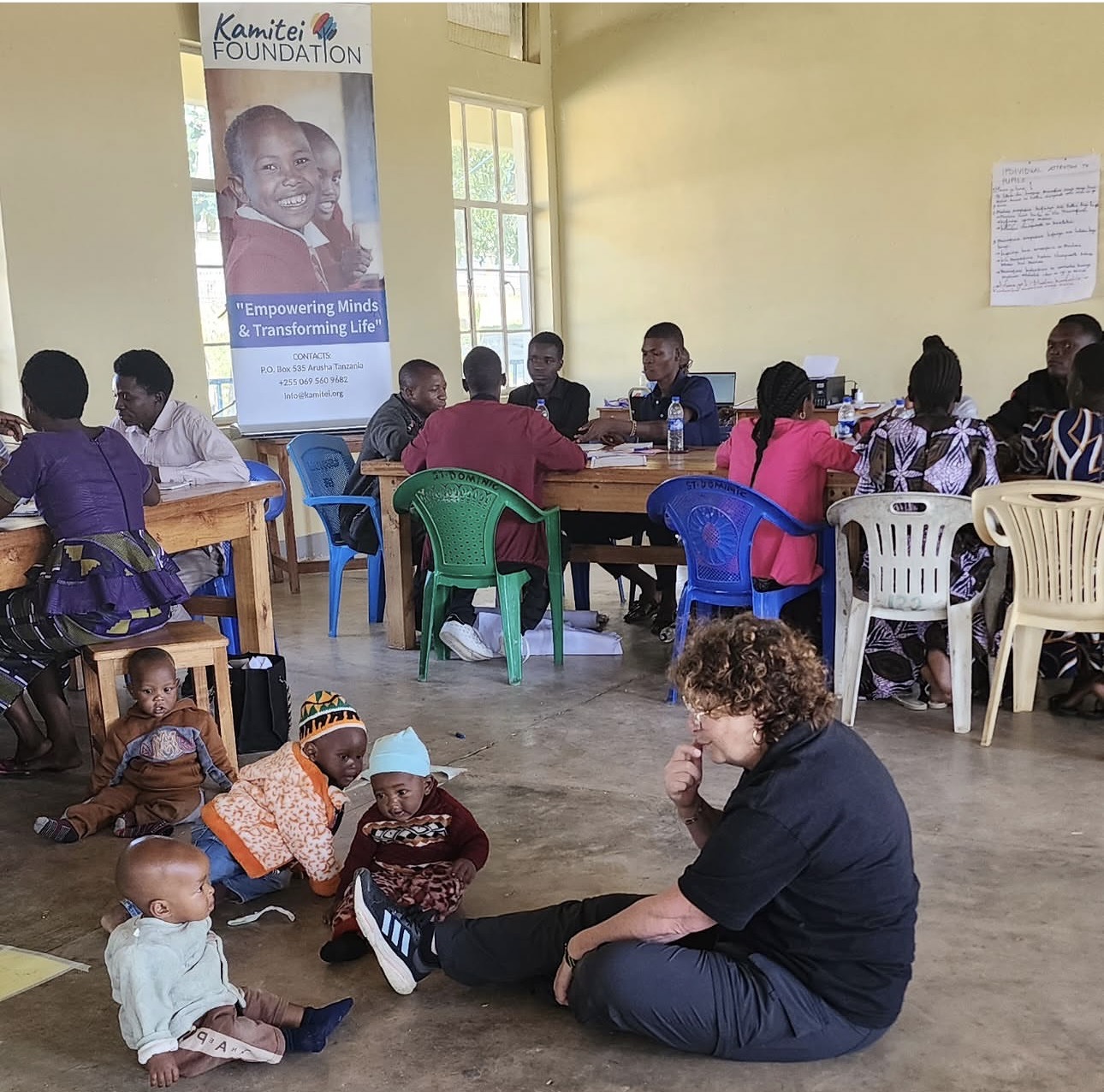
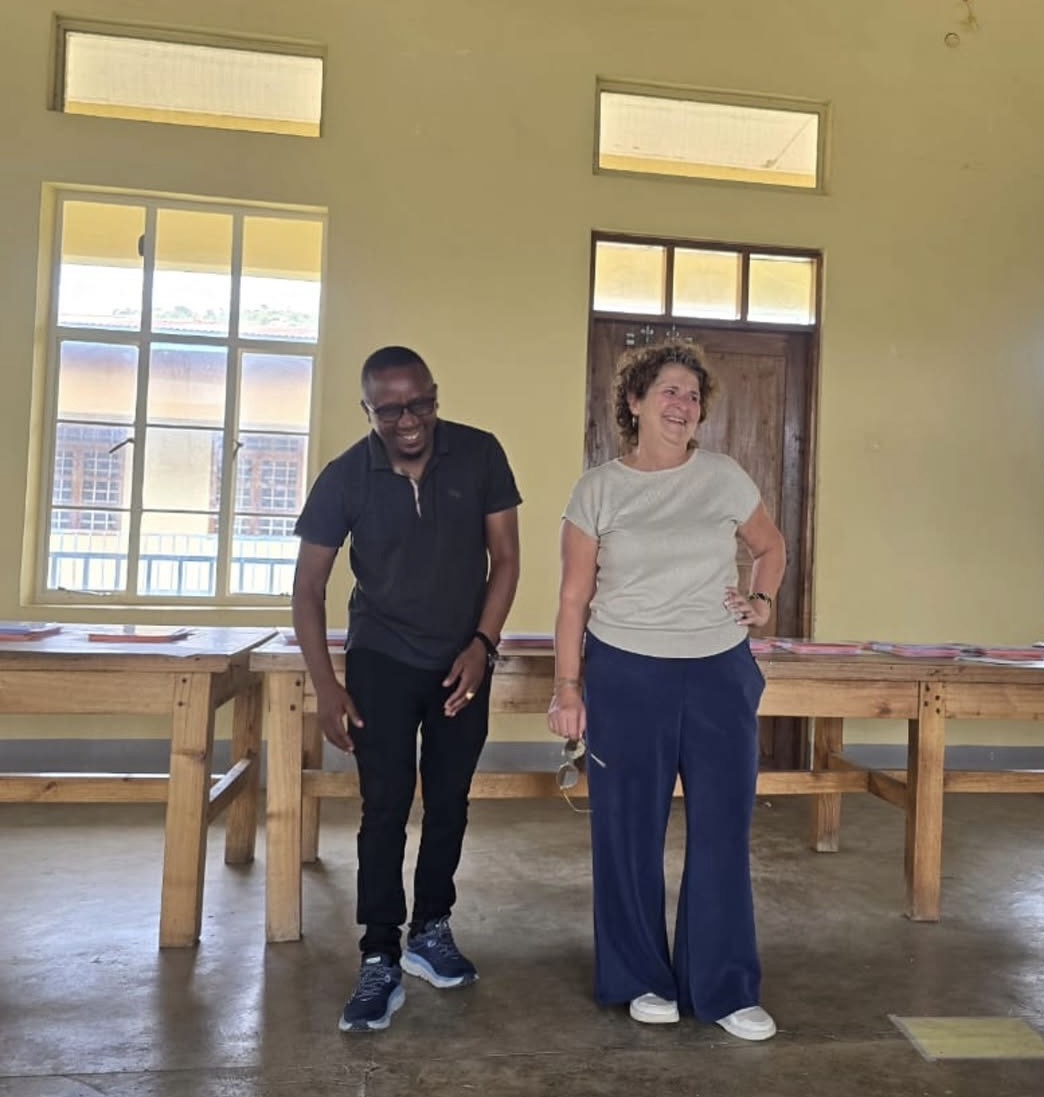
Over three busy months, she worked alongside Billy, Rashid and Jane in Northern and Southern Tanzania: evolving the teaching and coaching approach, running workshops in Karatu, Makame and Iringa, and travelling with the team into parts of the country that few visitors ever reach. Here, in her own words, is what she found.
By Astrid
By now, I’ve already been back in the Netherlands for a few months. And honestly, adjusting after the impressions of the my three months in Tanzania has been quite a transition.
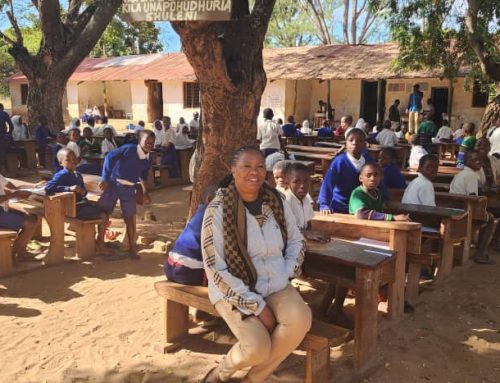
This period was mainly focused on school visits, workshops, coaching, and further developing Kamitei’s educational approach. We visited schools in Makame and Southern Tanzania, sometimes under quite extreme conditions. Due to the heavy rains, roads literally turned into rivers, and in some places local people first had to walk through the water to check whether the route was safe enough before we could continue driving. Despite this, teachers still came to school every single day — sometimes with wet clothes up to their knees. That made a big impression on me.
What is beautiful to see is that Kamitei is now making a clearly visible difference in many places. Schools have become more structured, there are more teachers, there is more calm in the classrooms, and more and more schools now have desks, books, and learning materials. At the same time, this trip also made it very clear that good education is not only about materials. The real change is happening inside the classroom — in the way lessons are taught and how teachers are supported in their professional growth.
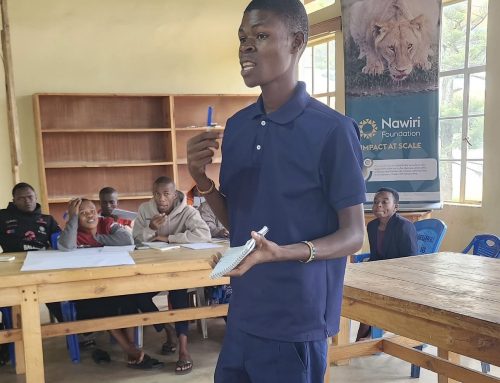
That is why a large part of this trip focused on coaching and professional development. Together with Billy and Rashid, I worked on a new coaching system for teachers, based on short cycles of observation, reflection, and small, achievable development steps. We also organised workshops on teaching aids — materials that make lessons more active and learning more visible for students. For all schools, practical cards and manuals were developed in both English and Kiswahili, so teachers can immediately start working with the materials themselves.
Behind the scenes, a lot of work also went into thinking about the next phase of Kamitei. Together with Damian from Honeyguide Foundation, and Billy, Rashid and Jane from Kamitei, we explored how our foundation can continue to grow without losing the quality of its educational approach. One central question kept guiding these discussions: how do we ensure that coaching, guidance, and educational quality remain strong as Kamitei continues to expand?
What stays with me most personally is the incredible dedication of the people I worked with. Despite all the challenges, there is such a strong motivation to give children better education. And it is exactly that combination of passionate people, practical support, and increasing structure that gives me a great deal of confidence in the next steps Kamitei will take.